Why Lucky 9 Feels Different at Philippine Tables This October
If you've been playing Lucky 9 the same way since the pandemic, you're leaving money on the table. Starting mid-2026, major Philippine casino operators quietly rolled out a revised rulebook for the game—and the changes aren't just cosmetic. The core goal remains the same: get a hand total closest to 9. But the thresholds for drawing a third card, the payout on certain natural combinations, and even how ties are settled have all been tweaked.
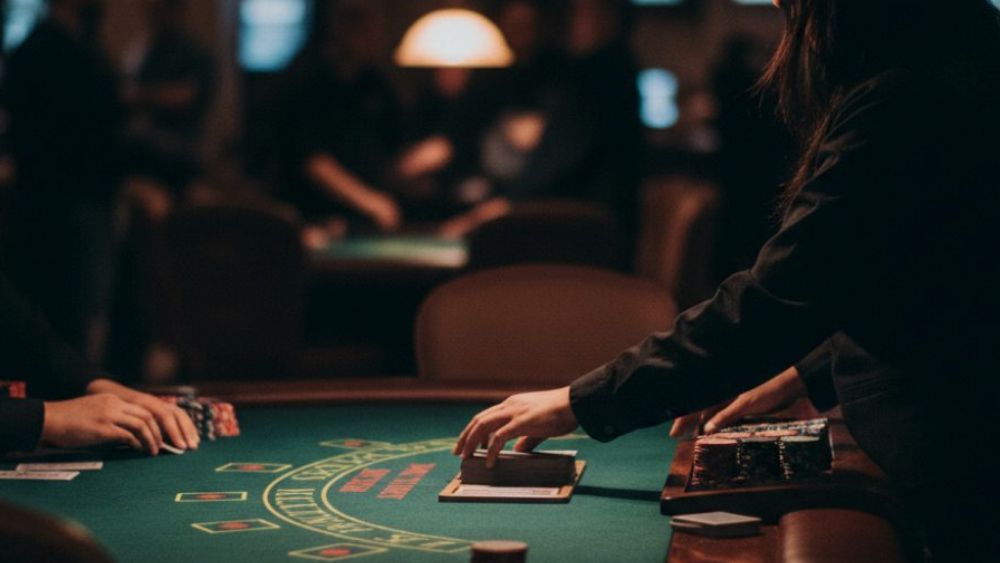
We first noticed the shift during a routine table inspection at a Pasay integrated resort in July. Dealers were using new shuffling procedures, and the pit boss confirmed that the house edge had been recalculated. Since then, we've seen the same updates at casinos in Clark, Cebu, and select online live dealer studios that cater to Filipino players. This guide breaks down exactly what changed for the 2026/27 season so you can adjust your strategy before your next session.
The New Drawing Rules: When the Banker Takes a Third Card
Previously, the banker stood on a total of 6 or higher, and drew on 0–5. That's still mostly true, but the 2026 rules introduce a conditional exception: if the player's third card is a 7 or 8, the banker now draws on a total of 6 instead of standing. This small change increases the banker's chances of improving to a 7 or 8 themselves, which shifts the odds slightly toward the house on player bets.
Here's the updated decision matrix for the banker:
- Total 0–2: Always draws.
- Total 3: Draws unless player's third card is an 8.
- Total 4: Draws if player's third card is 2–7; stands on 1, 8, 9, 0.
- Total 5: Draws if player's third card is 4–7; stands on 1–3, 8, 9, 0.
- Total 6: Draws if player's third card is 6 or 7; stands on all others.
- Total 7: Always stands.
- Total 8–9: Natural—no draw.
Notice the total 6 row: that's the biggest departure from the old rules. In the past, a banker 6 would stand regardless of the player's third card. Now, if the player draws a 6 or 7, the banker takes a third card. This means more action on the table and more swings in your bankroll if you're betting on the banker.
Payout Adjustments: Natural 9s and Tie Bets
The payout structure for Lucky 9 has also been revised for the 2026 season. Standard wins on player and banker still pay 1:1, but the bonus for a natural 9 (two-card total of 9) has been reduced from 2:1 to 3:2 at most Philippine casinos. That's a significant drop, and it means chasing natural 9s is less profitable than before.
Tie bets, which used to pay 8:1, now pay 7:1 in many establishments. The house edge on ties has always been high, but the lower payout makes it even less attractive. If you're a tie bettor, you might want to reconsider your approach.
“We adjusted the payouts to keep the game competitive with other Asian table games,” a casino operations manager told us on condition of anonymity. “The new math still favors the house, but it gives players more frequent small wins.”
On the flip side, some online operators have introduced a side bet called Lucky 9 Bonus that pays up to 50:1 if you're dealt a specific three-card combination. We'll cover that in a separate article, but for now, know that the main game's payouts are tighter.
How to Adjust Your Strategy for the New Rules
With the banker drawing more often on total 6, the house edge on player bets has increased slightly. According to our calculations, the player bet now carries a house edge of about 1.8% (up from 1.5%), while the banker bet sits at 1.4% (up from 1.2%). That might not sound like much, but over hundreds of hands, it adds up.
Here's what we recommend for Filipino players this season:
- Favor the banker bet. Even with the new drawing rule, the banker still has a lower house edge than the player. Just don't expect the same win rate as before.
- Avoid tie bets entirely. The reduced payout makes them a suckers' bet.
- Don't chase natural 9s. The 3:2 payout means you need to hit them more often to break even, which is unlikely.
- Set a loss limit. The increased variance on banker bets means bigger swings. Decide beforehand how much you're willing to lose and stick to it.
If you're playing online, check the specific rules of the live dealer studio. Some offshore operators haven't adopted the 2026 changes yet, so you might still find the old payouts and drawing rules. That could be an advantage—but only if you read the fine print.
Where to Play Lucky 9 in the Philippines Right Now
Land-based casinos in Metro Manila, Clark, and Cebu have all implemented the new rules as of September 2026. If you're playing at a smaller casino or a junket room, ask the dealer to confirm the drawing rules before you buy in. Some may still be using the old rulebook, especially if they haven't updated their table signage.
For online players, reputable Philippine-facing sites like those we review on PinasRanked have mostly updated their software. However, a few offshore operators are lagging. We recommend sticking with platforms that clearly state the 2026 rule set in their game info section. If you can't find it, ask customer support before depositing.
One more thing: the new rules apply to both live dealer and RNG versions of Lucky 9. So whether you're playing on a physical table or your phone, the math is the same. Make sure you're not using outdated strategy charts from 2025 or earlier.
Final Thoughts: Play Smarter, Not Harder
Lucky 9 remains one of the most accessible card games in Philippine casinos. But the 2026 rule changes mean you can't rely on muscle memory. The banker draws more often, natural 9 payouts are lower, and tie bets are worse than ever. Adjust your bets accordingly, and you'll stretch your bankroll longer.
We'll continue to monitor any further changes from the gaming regulator and update this guide as needed. If you spot a table still using the old rules, let us know—we're always tracking the latest developments for Filipino players.